How to Fill a Fountain Pen With Ink: Step-by-Step
First, Find Out How Your Pen Fills
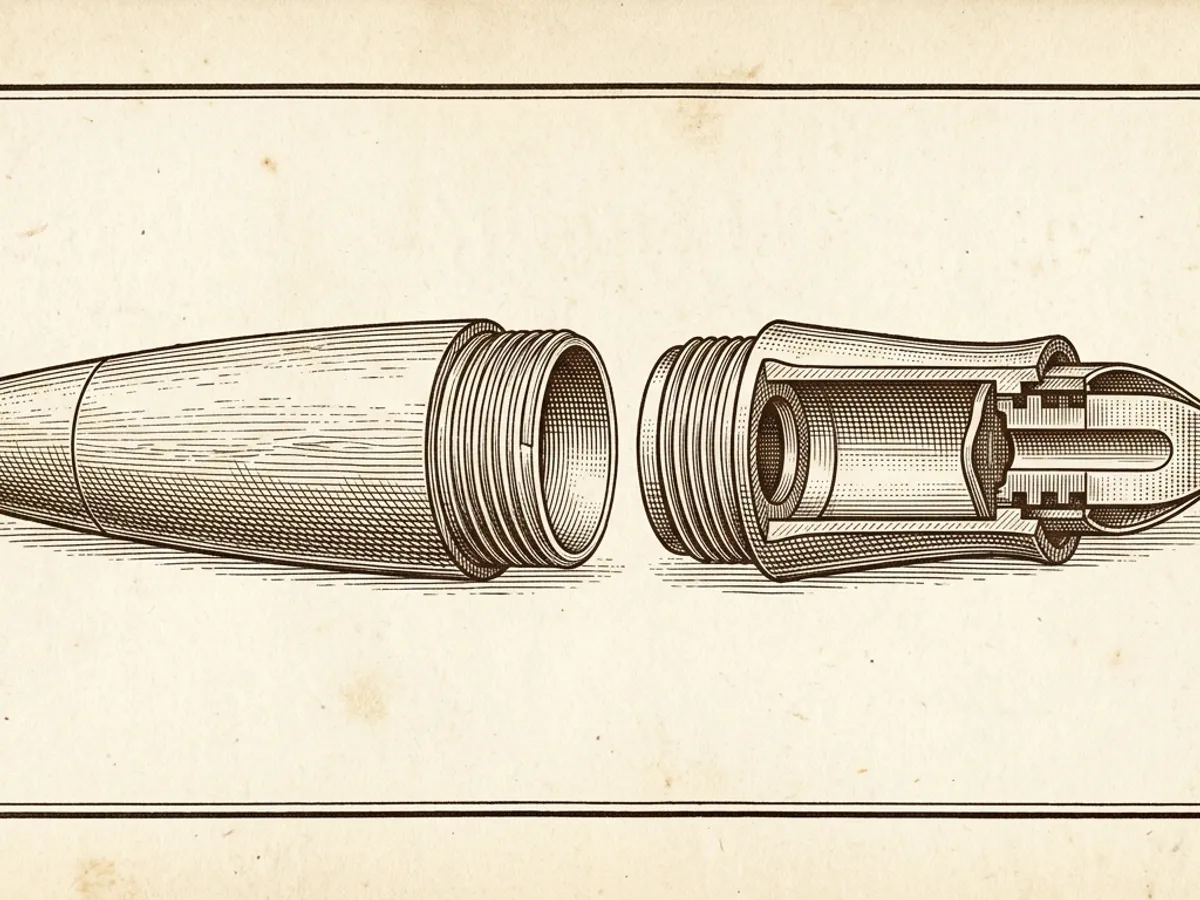
Before you can fill a fountain pen with ink, you need to identify which filling system it uses. That system determines every step that follows, and getting it wrong is the most common reason a pen refuses to write.
Unscrew or pull off the barrel (the back half of the pen) to expose the section behind the nib. What you see tells you almost everything:
- A small plastic tube already seated, or an empty slot shaped to receive one, means cartridge filling.
- A removable plastic-and-metal device with a twist knob or a soft squeeze sac means a converter.
- A solid knob built into the end of the barrel that turns to drive an internal plunger means a built-in piston or vacuum filler.
Many affordable pens, like the Lamy Safari or Pilot Metropolitan, accept both cartridges and converters. Pens like the TWSBI Eco have the piston built in and only take bottled ink. Once you know your system, jump to the matching section below.
Method 1: Filling With a Cartridge
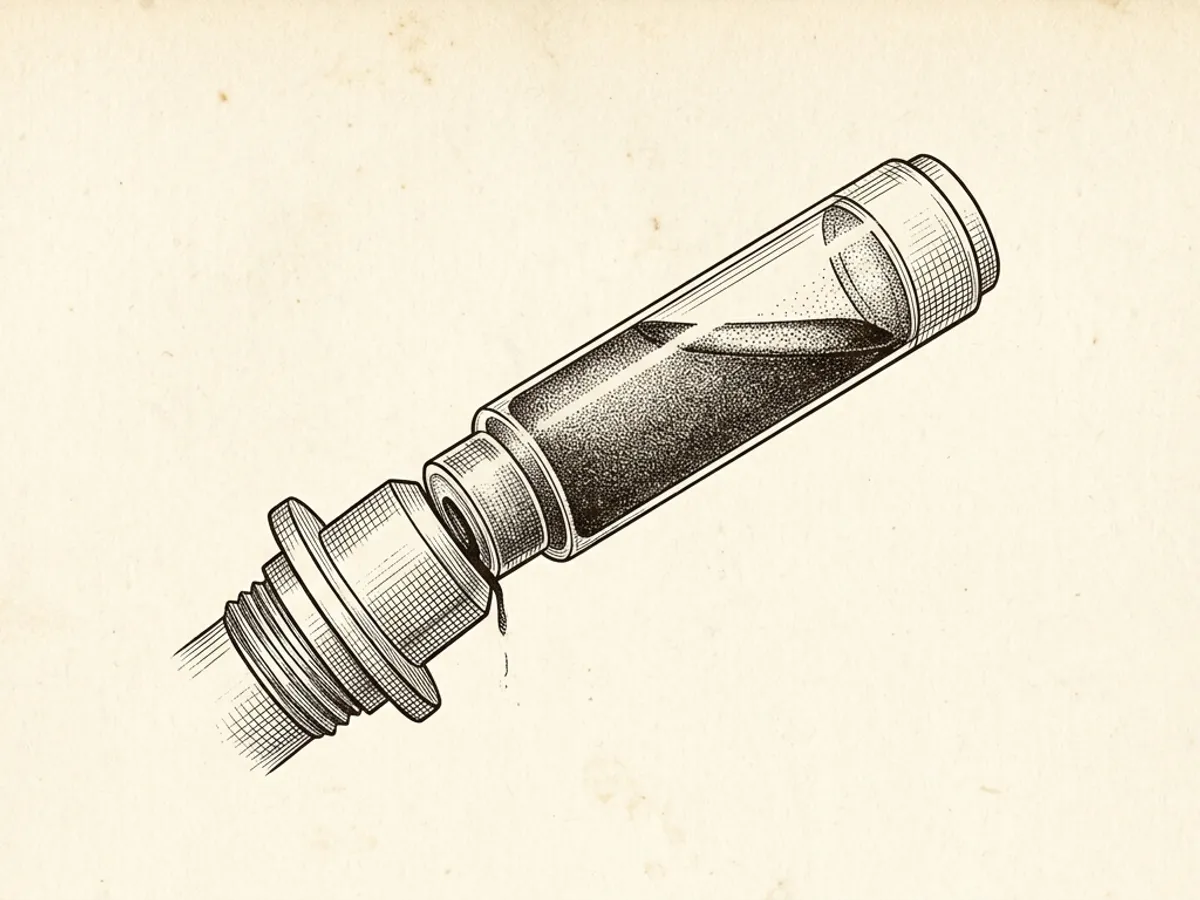
Cartridges are the easiest entry point. They are sealed plastic tubes of pre-bottled ink that simply push into place.
- Unscrew the barrel and locate the nipple, the small spike inside the section that pierces the cartridge.
- Take the cartridge and push the narrow end firmly onto the nipple until you feel and hear a small click or pop. That pop is the seal breaking. If you do not feel it, press harder; the cartridge has a foil or ball seal that must be punctured for ink to flow.
- Reassemble the barrel.
- Hold the pen nib-down and wait. Ink needs a minute or two to travel down through the feed by gravity and capillary action. To speed this up, gently squeeze the cartridge once (if it is the soft type) or tap the nib lightly against a paper towel to coax the first drop out.
A fresh cartridge can take a few false starts before it writes evenly. Be patient before concluding something is wrong.
International vs. Proprietary Cartridges
Not all cartridges fit all pens. Standard international cartridges are an industry-shared size that fits a huge range of brands, including Kaweco, Faber-Castell, and Monteverde. Proprietary cartridges, used by Lamy, Pilot, Sheaffer, and others, only fit that brand’s pens. Check which your pen takes before buying a box, and keep the spares in the barrel of larger pens for travel.
Method 2: Filling With a Converter
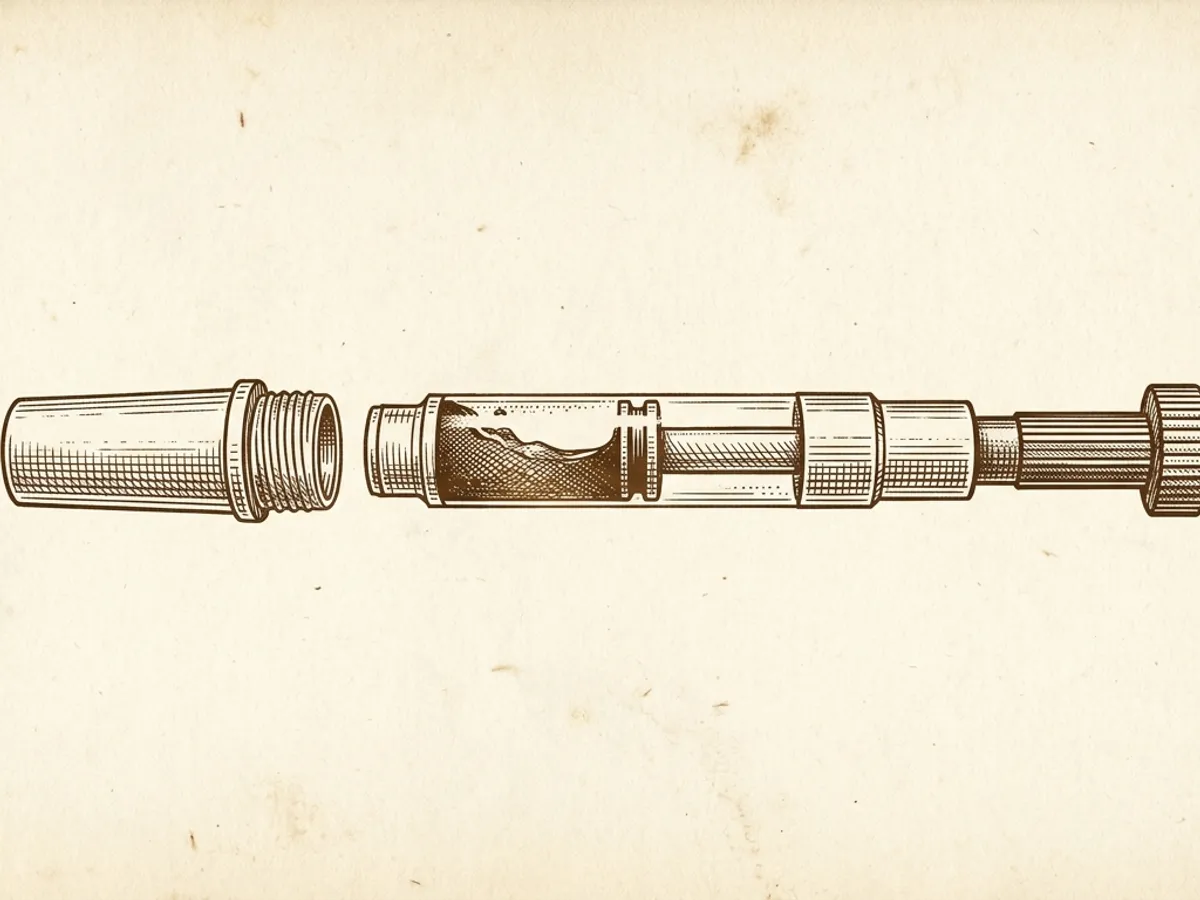
A converter is a small refillable reservoir that lets a cartridge pen draw ink straight from a bottle. This opens up the full range of bottled inks. Converters come in two main types.
Piston converters (also called twist or screw converters) are the most common. A knob on the end drives a piston up and down inside a clear chamber. Squeeze converters use a flexible sac you press to expel air and release to draw ink. The steps are nearly identical.
- Push the converter onto the section’s nipple just as you would a cartridge, until it seats firmly. Make sure it is snug or it will leak air instead of drawing ink.
- For a piston converter, twist the knob fully so the piston travels all the way down, expelling the air. For a squeeze converter, press and hold the sac.
- Submerge the nib in the ink bottle. Go deep enough that the ink covers the nib and at least part of the feed, past the breather hole, that small hole partway up the nib. If only the tip is submerged, you will draw mostly air.
- Slowly twist the knob the other way to retract the piston (or release the squeeze sac). You will see ink climb into the chamber. Draw slowly to avoid trapping air bubbles.
- Leave the nib submerged a few seconds longer, then lift it out.
- Hold the pen nib-down over the bottle or a paper towel and twist the knob slightly to expel a drop or two. This pushes out the air gap at the top of the converter and primes the feed so the pen starts cleanly.
- Wipe the nib and section with a soft cloth or paper towel to remove the film of ink clinging to them.
That last wipe matters more than people expect. Skipping it is why pens leave inky fingerprints and smudge the inside of the cap.
Method 3: Built-In Piston and Vacuum Fillers
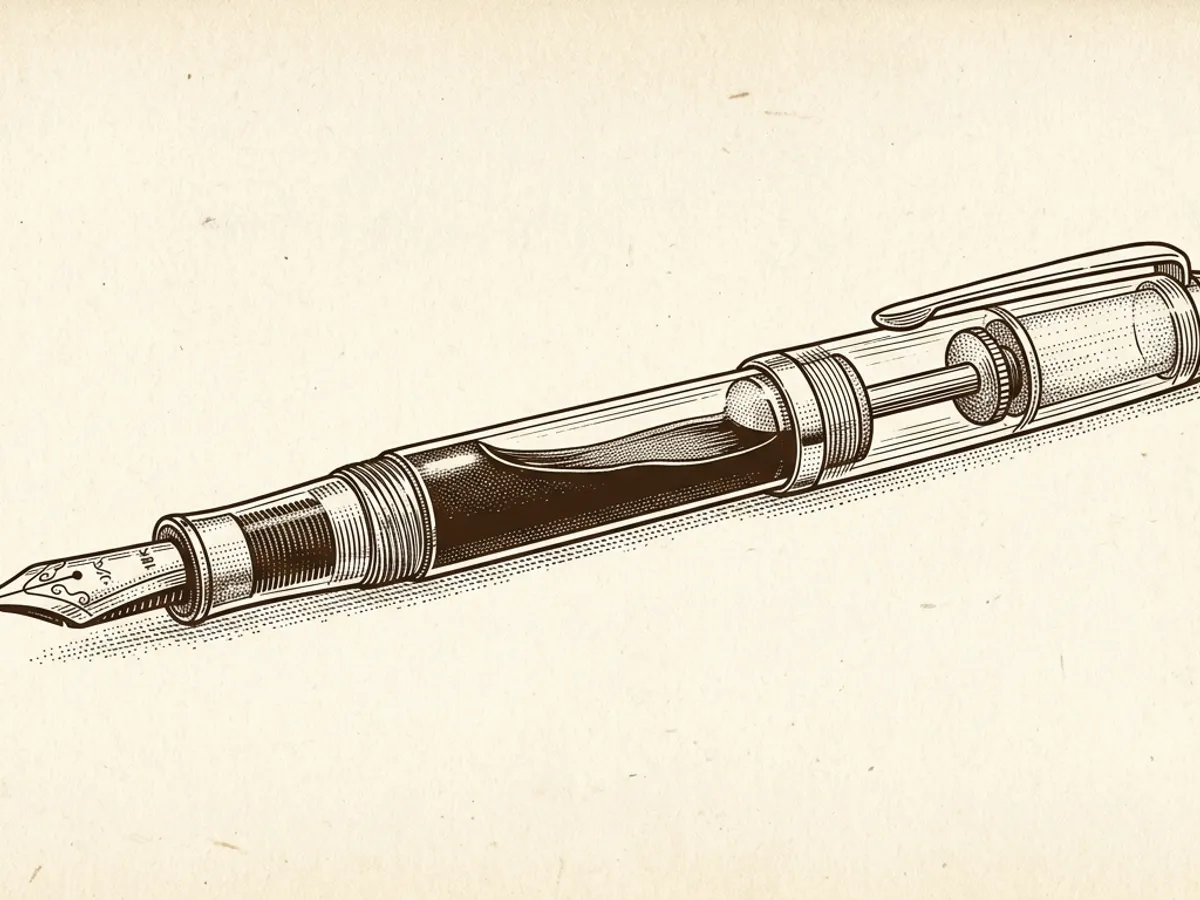
Higher-end and many enthusiast pens, including the TWSBI Eco and various Pelikan and Pilot models, have the filling mechanism built directly into the barrel. There is no cartridge or converter to remove; the whole pen is the reservoir, which means a larger ink capacity.
For a piston filler:
- Turn the knob at the end of the barrel to drive the internal piston all the way down toward the nib.
- Submerge the nib fully, past the breather hole, in the ink.
- Turn the knob the opposite way to draw the piston back up. Ink fills the barrel as it rises.
- With the nib still in the ink, turn the knob down slightly to expel a drop, then draw once more. This second pull clears the air pocket and tops off the fill.
- Lift out, expel a drop nib-down, and wipe clean.
Vacuum fillers work differently: you pull a plunger rod all the way out, submerge the nib, then push the rod down in one firm stroke. The sudden pressure change pulls a large volume of ink into the barrel. Then wipe and prime as above.
A Quick Word on Eyedropper Filling
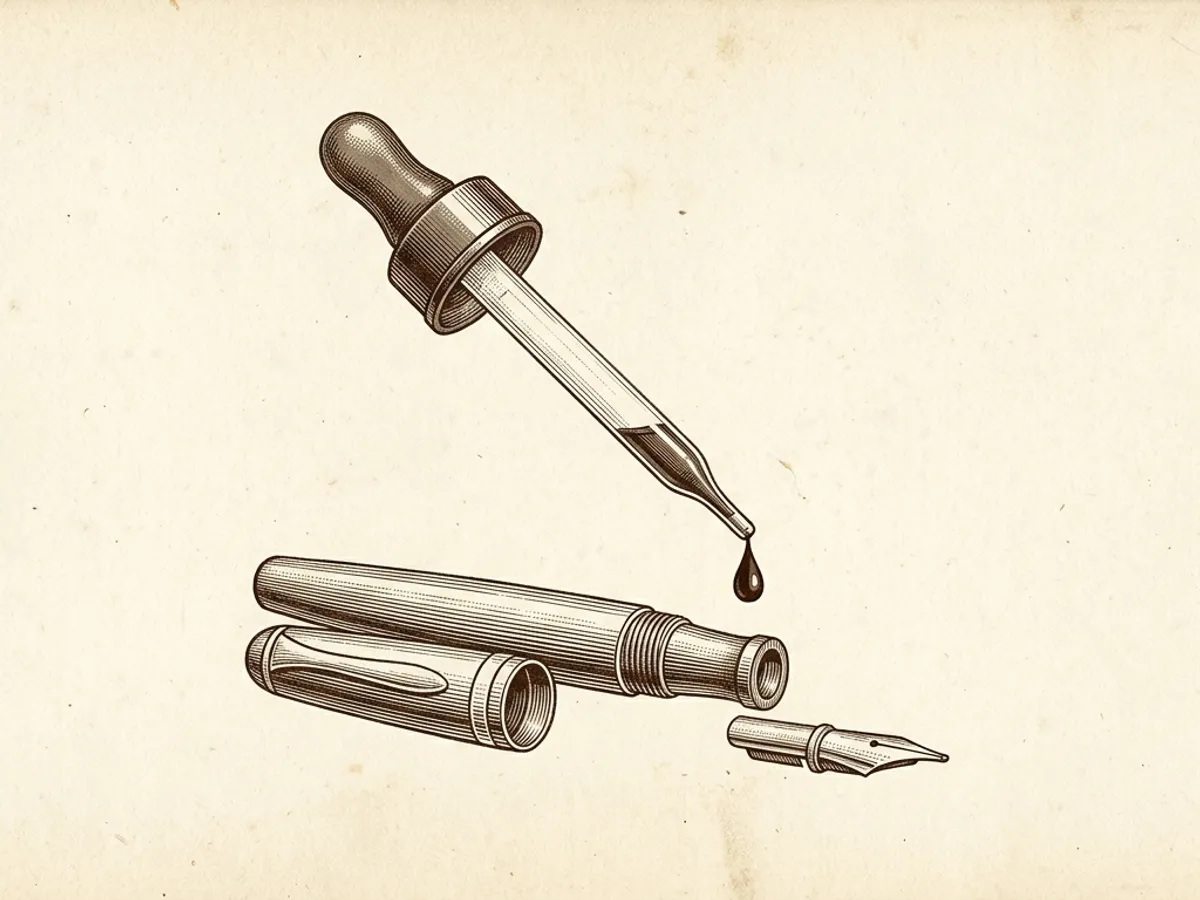
Some pens with a simple sealed barrel can be filled as eyedroppers: you remove the converter, apply a thin layer of silicone grease to the section threads, and fill the empty barrel directly with an eyedropper or syringe. It gives enormous capacity but risks burping ink as the barrel empties and warms in your hand. Worth knowing, but best left until you are comfortable with the basics.
Practical Tips Worth Knowing
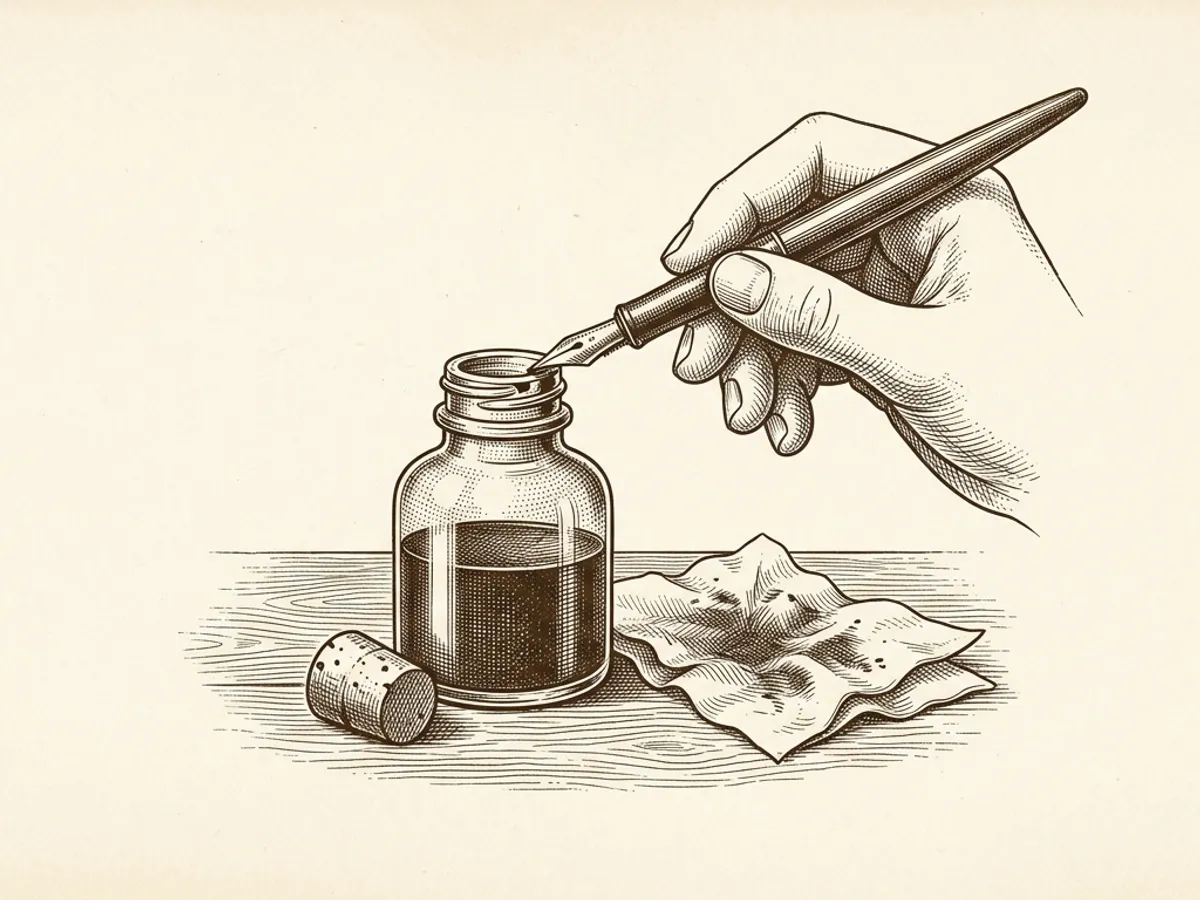
- Bottled vs. cartridge. Cartridges win on convenience and travel. Bottled ink wins on cost per milliliter and on color variety; there are thousands of bottled inks versus a handful of cartridge colors. Most people start with cartridges and migrate to a converter once they want a specific color.
- How often to refill. It depends entirely on how much you write and your nib width. A broad, wet nib drains a converter far faster than a fine one. Refill when writing turns pale or scratchy rather than waiting for total dryness.
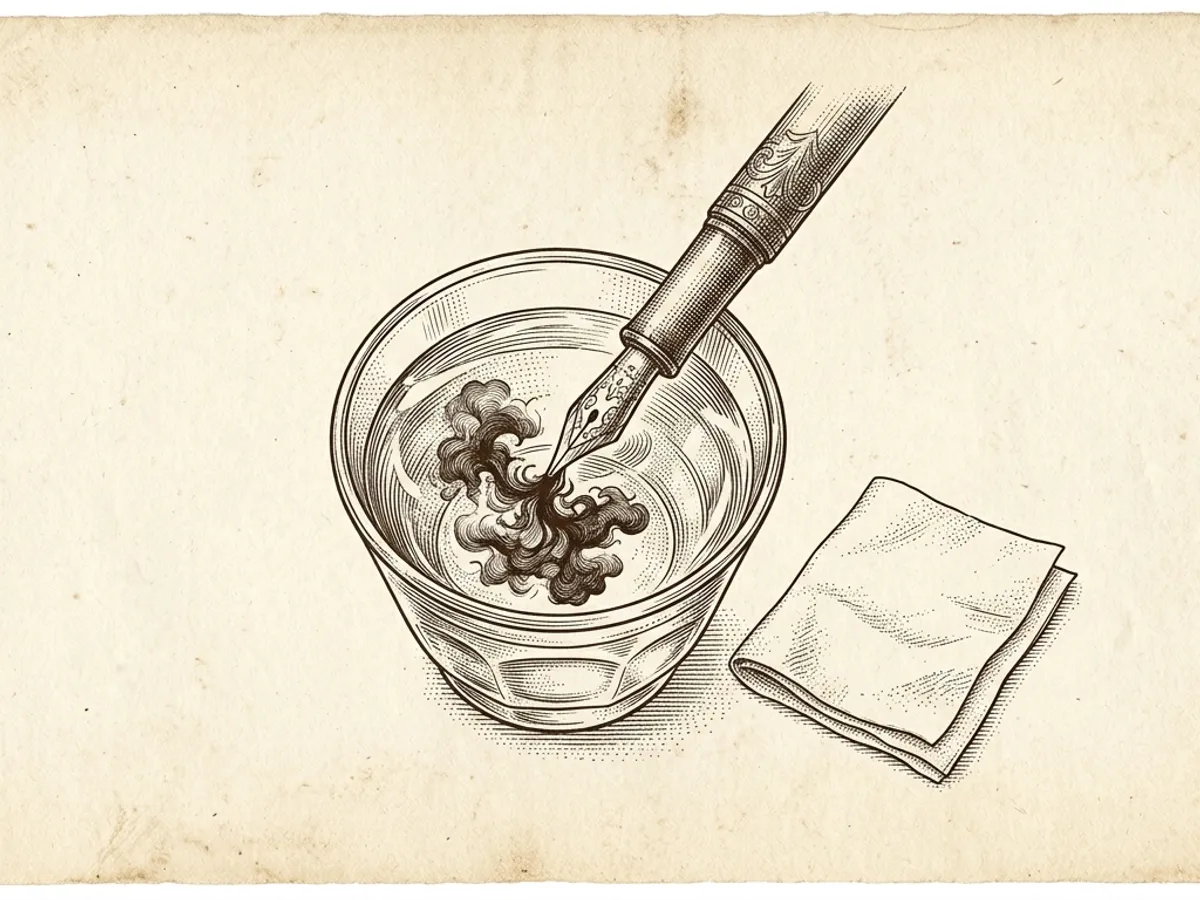
- Flush when changing inks. Before switching colors, flush the pen with cool water until it runs clear. Draw water in and expel it repeatedly with the converter or piston. This prevents muddy mixed colors and clogged feeds. Let the pen dry before refilling.
- Store nib-up when a filled pen sits unused, so ink does not pool against the nib and dry there.
Troubleshooting: Fountain Pen Won’t Write After Filling
If the pen is full but skips or refuses to start, work through these in order:
- No flow at all from a cartridge. The seal probably did not break. Push the cartridge on harder until it clicks, then wait nib-down for a minute.
- Hard starts or skipping. There is likely an air gap between the ink and the feed. Hold the pen nib-down, expel a drop, then write a few loops on scrap paper. Tapping the capped pen gently nib-down also helps settle ink toward the feed.
- Air bubbles in a converter. You drew too fast or did not submerge deep enough. Expel everything, submerge fully past the breather hole, and draw slowly.
- Still dry after all that. The feed may be clogged with dried ink from a previous fill. Flush thoroughly with cool water, leave it to soak if needed, dry it, and refill.
Fill it correctly once and a fountain pen rewards you with the smoothest writing you will ever do. Choose an ink you love, run through the steps slowly the first time, and you will have it down by your second refill.